From the moment you start driving your new car, its value begins to depreciate. According to Kelley Blue Book, a new car loses around 30% of its value within the first two years.
This depreciation rate is not the same for all cars. Some cars lose value much faster than others for a variety of reasons, such as reliability, market demand, and brand perception. Take luxury sedans as an example. Sure, they look shiny rolling off the showroom floor. But high maintenance costs and rapid technological advancements drive faster depreciation.
We’ve looked at patterns from across multiple industry sources to create this list of cars that lose their value fast. So, if you’re banking on a good resale value, here are some cars you’ll want to cross off your shopping list.
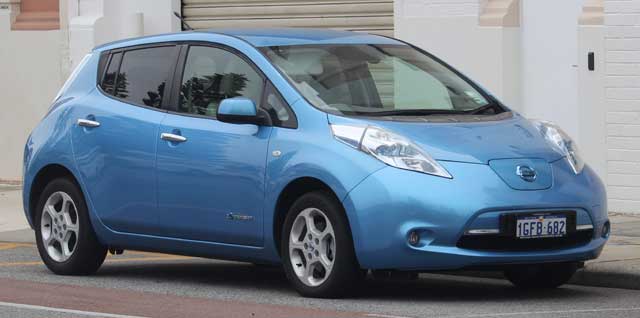
1. Nissan Leaf (Electric hatchback)
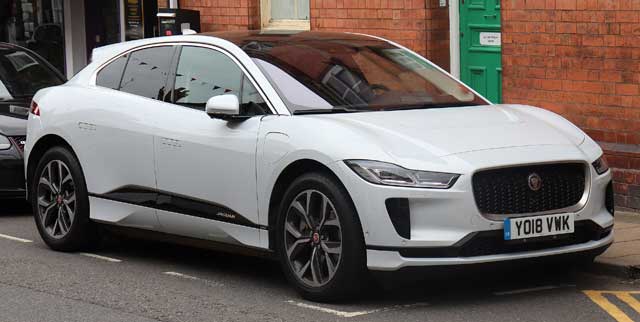
2. Jaguar I-Pace (Luxury electric SUV)
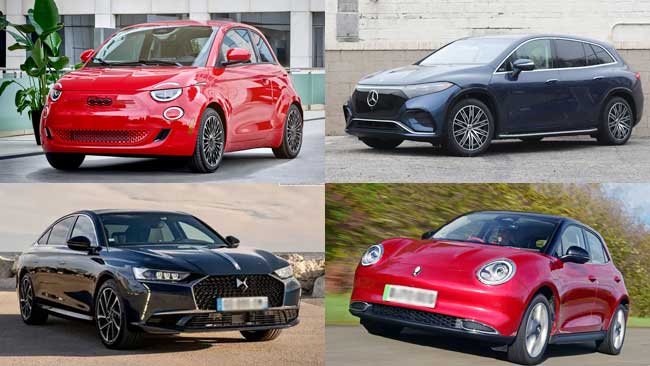
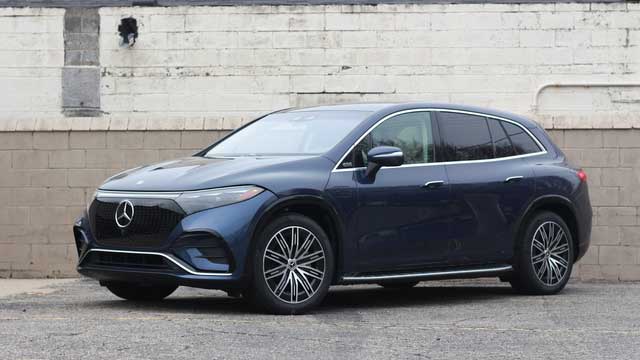
3. Mercedes-Benz EQS (Luxury electric sedan)
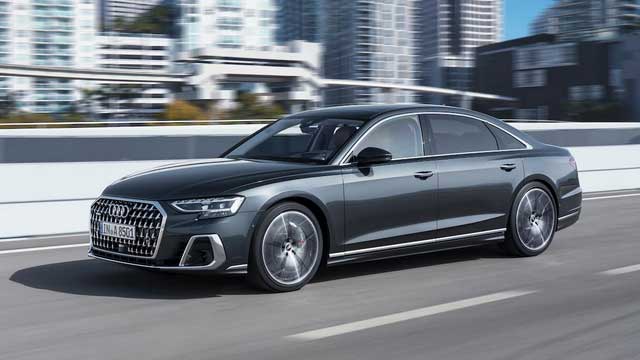
4. Audi A8 (Flagship luxury sedan)
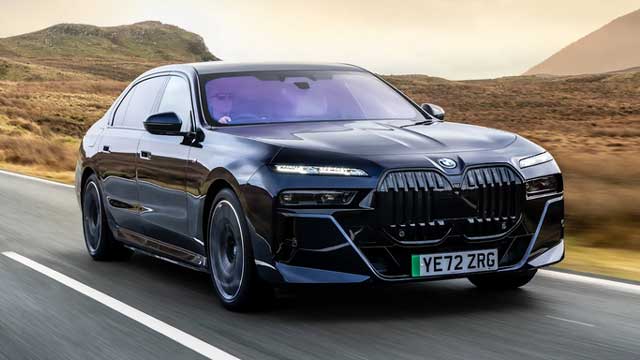
5. BMW 7 Series / i7 (Luxury sedan / electric flagship)
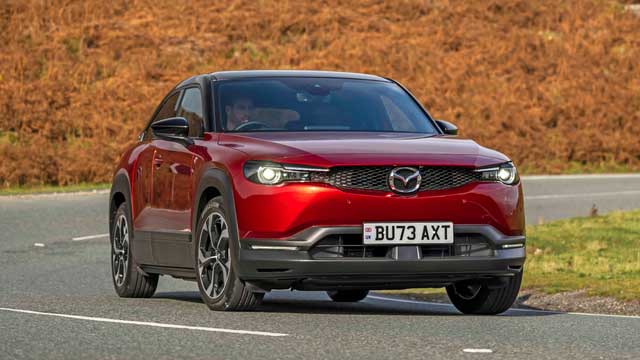
6. Mazda MX-30 (Electric crossover)
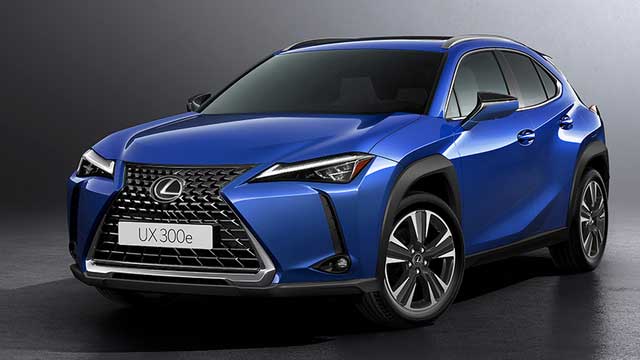
7. Lexus UX300e (Electric compact SUV)
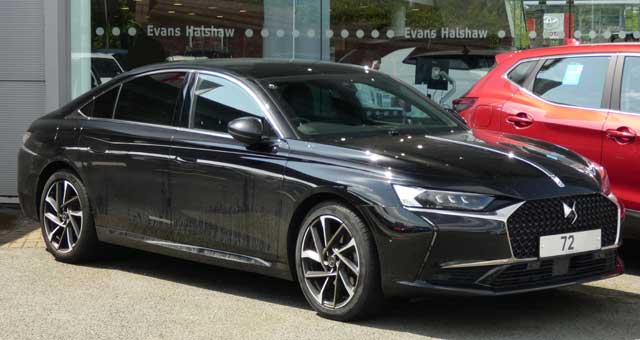
8. DS 9 (Luxury PHEV sedan)
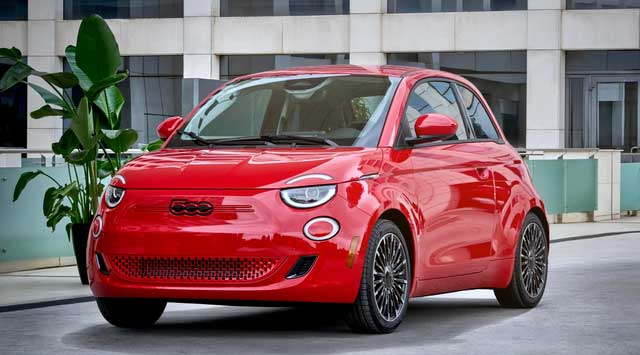
9. Fiat 500e (Electric city car)
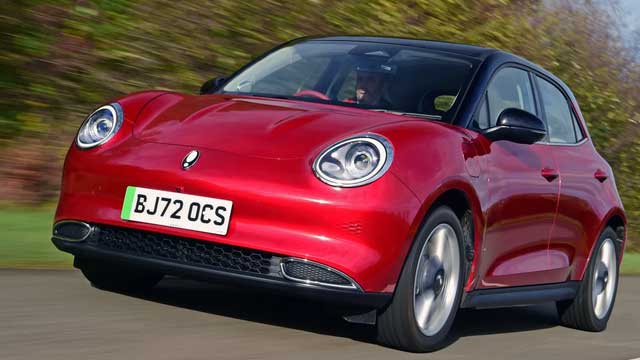
10. GWM Ora 03 (Electric hatchback)
1Nissan Leaf
Quick Facts
Depreciation: Among the worst performers over 1 and 3 years
Segment: Electric hatchback
Why It Loses Value
Introduced in 2010 as a small electric hatchback, this affordable and charming car is among the worst performers over 1 and 3 years.
While revolutionary at the time, it uses early EV technology, like a 24kWh battery pack and slow charging (CHAdeMO 50kW), which is currently being phased out.
Heavy incentives and oversupply in the used market are a strong indicator of rapid depreciation. For example, the 2022 Nissan Leaf has depreciated over 70% in just four years, making this one of the worst performers.
Buyer Takeaway
For buyers banking on strong resale value, the Nissan Leaf is going to be a disappointing investment. For example, a new 2022 Nissan Leaf will cost you an average of $27,400 versus $7,659 now.
Before buying new, it’s worth running the numbers through a car depreciation calculator to see whether a used option makes more financial sense.
2Jaguar I-Pace
Quick Facts
Depreciation: Loses well over half its value within 3 years
Segment: Luxury electric SUV
Why It Loses Value
Jaguar has built itself a reputation for blending British luxury with sleek designs and strong performance. However, the I-Pace depreciates faster than other luxury models.
The Jaguar I-Pace was the brand’s first all-electric crossover that just couldn’t keep up with the rapid competition from newer luxury Evs.
While the car did have an impressive 394 horsepower, the high cost of owning a Jaguar was a major driver of the drop in demand.
Buyer Takeaway
Its good looks, comfortable drive, and excellent used value make the I-Pace a great option for drivers in the used-car market. While new I-Pace models sold for around $70,000, the current appraisal for a 2022 model is $24,008.
If a used I-Pace is what you want to drive, it’s worth considering the long-term ownership risks. High maintenance costs and parts availability for a discontinued range are some things to be aware of.
3Mercedes-Benz EQS
Quick Facts
Depreciation: One of the steepest 1-year drops recorded
Segment: Luxury electric sedan
Why It Loses Value
The Mercedes-Benz EQS was the German automaker's debut in the EV space in 2022. From the start, the EQS was a competitive performer with a luxurious design and spacious cabin. So, why did it lose value so quickly? As expected from a Mercedes-Benz, it came with an expensive price tag of $102,310, but now has depreciated to $38,706.
Like most EVs, the EQS could not compete with newer EVs, and its technology was seen as outdated. When the EV demand eventually cooled, Mercedes-Benz leaned on incentives and cut prices.
Buyer Takeaway
With an over 60% depreciation over the past four years, buying new will result in high losses of around $63,604. A second-hand EQS will only set buyers back by an average of $61,960, offering flagship luxury for much less!
4Audi A8 (including PHEV variants)
Quick Facts
Depreciation: Loses ~70% of value in 3 years
Segment: Flagship luxury sedan
Why It Loses Value
While the Audi A8 looks spectacular in the showroom and on the road, the resale value of this model and the PHEV variants is less than spectacular. The 55 TFSI petrol engine and comfortable ride don’t outweigh that. As an investment, the Audi A8 is on the verge of being a bad one.
The shrinking demand, coupled with high maintenance and running costs, doomed this sporty model to the list of cars with a high depreciation rate. The PHEV’s shorter electric range doesn’t help the car’s value.
Strong lease turnover has resulted in a flood of Audi A8s to the used market.
Buyer Takeaway
The Audi A8 is a buttery smooth luxury car with all the bells and whistles you’d expect. But don’t expect it to hold its value in three years of ownership. If you purchase a used Audio A8 with a warranty, it helps keep the car’s value stable.
5BMW 7 Series / i7
Quick Facts
Depreciation: Around 30% lost in the first year alone
Segment: Luxury sedan / electric flagship
Why It Loses Value
When it comes to depreciation, the BMW 7 series has always been at the top of the lists, including the i7. Since the first generation, its heavy tech load and the high price tag result in a 29.8% loss in value in one year.
BMW’s all-electric flagship luxury sedan has all the makings of fast depreciation. It’s a luxury sedan and an EV. The leading cause of depreciation? Fast tech turnover, styling polarization, and dominating the leasing market.
Buyer Takeaway
With rapid early losses, this is not a vehicle you’ll want to invest in if you’re looking to recoup your money. Used buyers, on the other hand, will appreciate the bargain of a luxury EV at a low price.
6Mazda MX-30
Quick Facts
Depreciation: Retains barely 60% after 3 years
Segment: Electric crossover
Why It Loses Value
The Japanese carmaker is known for its range of reliable cars. The MX-30 is one model that struggles to hold its value. As Mazda’s first electric car, it boasts a fantastic driving experience, a smart interior, and advanced safety features.
However, its very limited range and niche appeal in the EV market have resulted in a drop in demand. The other trouble is that the model fails to keep up with new EVs that offer more.
Buyer Takeaway
Because the model retains only 64.4% of its value after three years, dropping from $21,514 to $33,470, the price is heavily discounted. The sad reality is that the MX-30 only makes sense as a used buy.
7Lexus UX300e
Quick Facts
Depreciation: Unusually poor for a Lexus
Segment: Electric compact SUV
Why It Loses Value
The 2024 Lexus UX300e is the brand’s first battery-electric compact SUV, and it does not hold its value. While it is a comfortable drive, the short real-world range of 170 miles falls flat compared to EV rivals.
Lexus is known for making reliable cars, but EV market pressures override that reliability.
Buyer Takeaway
It’s rare for a Lexus to lose 30% of its value after a little over a year, but this model is the exception. People looking to sell the 2024 Lexus UX300e will only get around $27,549 for it.
8DS 9
Quick Facts
Depreciation: Loses over 70% in 3 years
Segment: Luxury PHEV sedan
Why It Loses Value
There was a lot of hype when the DS 9 came out. However, the DS 9 did not meet market expectations. Premium pricing, coupled with low brand demand, meant this car loses 70% of its value after three years.
Buyer Takeaway
Often called a left-field choice in the luxury car market, the DS 9 is a potential hidden gem in the used market.
9Fiat 500e
Quick Facts
Depreciation: Retains around 30% after 3 years
Segment: Electric city car
Why It Loses Value
Fiat’s 500e, a compact and nifty electric city car, is one of the brand’s worst depreciating cars. It’s so bad that online reports reveal that Fiat-Chrysler loses $20,000 for every Fiat 500e it sells.
The Fiat 500 has been a sales hit for years, so why does the electric version age so poorly? Firstly, it’s electric. Secondly, it’s expensive for its size, with a base model starting at $30,000. Thirdly, the carmaker’s incentives have distorted used prices.
Buyer Takeaway
Despite the huge price tag for such a tiny car, if you can pick up one of these used, you’ll likely find a good bargain for an electric city car.
10GWM Ora 03 (formerly Ora Funky Cat)
Quick Facts
Depreciation: Worst retained value in UK studies
Segment: Electric hatchback
Why It Loses Value
GWM’s stylish but futuristic-looking electric hatchback is often cited as one of the worst cars for resale value. Some reports show it retains as little as 25% of its value after three years.
Sure, it's cute and packed with plenty of tech, but that doesn't make up for how quickly it loses its value. New, these cars sell for around $42,000, and used, they sell for as little as $10,000.
The reason? Limited demand and EV oversupply pressures. It doesn’t help that the GWM name doesn’t ring quite like Ford.
Buyer Takeaway
With such a high depreciation rate, buying new is highly risky. Used prices may continue to fall, so perhaps wait it out a bit longer if you’re planning to buy an Ora 03.
Why These Cars Keep Appearing on Depreciation Lists
Just because these cars keep appearing on this list doesn’t mean they’re bad cars. Depreciation can be linked to common patterns:
EV oversupply and fast tech evolution: EV tech evolves too quickly, and older models fall behind.
Luxury pricing cliffs: early EVs are priced as luxuries, opening the market to affordable competition
Heavy discounting and incentives: This puts pressure on the resale value
Leasing and fleet returns: when leasing ends, cars flood the used market
Buyer confidence and brand perception
Conclusion
Remember, losing monetary value on a car over time is normal. It’s very rare to find cars with values that increase. The cars on this list are not necessarily bad, because depreciation is not a reflection of quality (in most cases). This list can help buyers research resale value before purchasing and potentially find a bargain.
If you’re happy with a lower resale value and you like a car on the list, go for it!
 Volkswagen
 Toyota
 Stellantis
 Mercedes-Benz Group
 Ford Motor
 Michelin
 Bridgestone
 Continental
 Goodyear
 Sumitomo